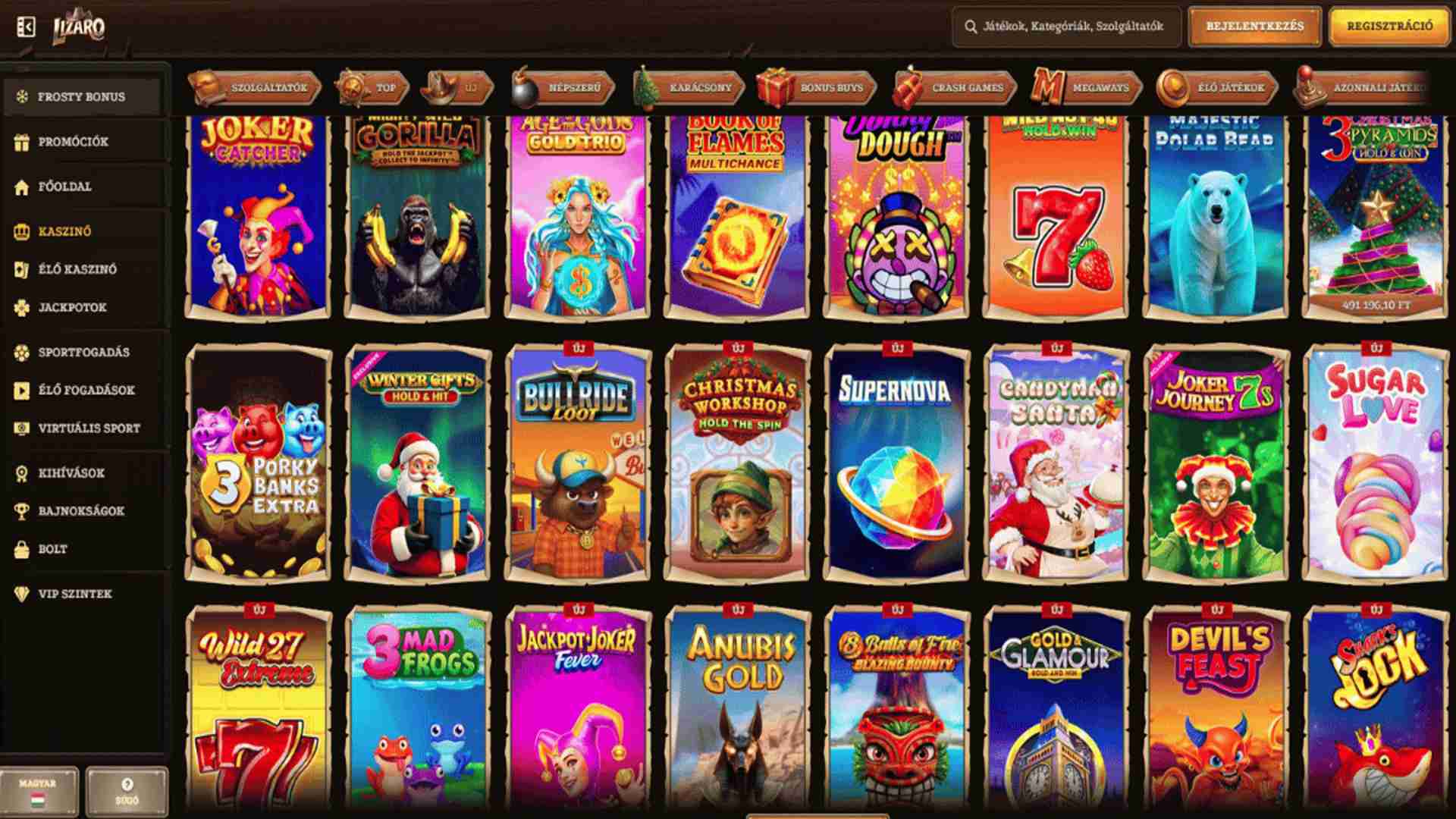
Modern game design often relies on unpredictable elements to keep participants deeply engaged over extended periods. When outcomes are not guaranteed, the human brain naturally intensifies its focus to decipher the underlying patterns. This continuous pursuit of the unknown transforms a standard session into a captivating journey of discovery.
The Psychology of Unpredictable Rewards
Our neurological systems are naturally wired to respond to sudden variance rather than predictable routines. When a player encounters an unexpected outcome, the brain experiences a distinct surge of engagement that drives seeking behavior. This reaction explains why individuals remain eager to explore subsequent rounds even after facing minor setbacks.
Instead of generating simple satisfaction, structural randomness encourages players to analyze their choices more critically. This cognitive stimulation keeps the mind active and prevents the gameplay from becoming tedious or formulaic. As a result, the initial novelty evolves into a sustainable cycle of genuine interest.
Balancing Skill and Algorithmic Variance
A well-engineered platform successfully blends user agency with unexpected shifts to maintain a fair atmosphere. If a game relies entirely on static parameters, experienced participants quickly optimize their routes and lose interest. Introducing randomized distribution ensures that every single attempt requires real-time adaptation and fresh problem-solving strategies.
This delicate balance allows newcomers and veterans to find mutual value within the same interactive environment. To explore how modern systems implement these dynamic fairness models, checking a reliable wd boss link can provide excellent context. Understanding these operational mechanics helps participants appreciate the sophisticated design choices behind their favorite digital challenges.
How Novelty Prevents Cognitive Fatigue
Repetition is the primary cause of user detachment across both casual software applications and complex virtual worlds. When a system presents identical obstacles in the exact same sequence, the participant's attention span naturally begins to diminish. Random selection features eliminate this issue by continuously shifting the layout, reward tiers, or environmental parameters.
This persistent variation forces the player to remain fully present during each independent event. Because the next outcome cannot be guessed based on previous history, the sense of anticipation stays remarkably high. Over time, this design philosophy builds a deep emotional connection that simple linear progression models can rarely match.
Designing for Long Term Player Engagement
Successful developers recognize that lasting curiosity depends heavily on how secondary goals are structured throughout the experience. While a major milestone provides an initial draw, the unexpected minor bonuses keep the everyday routine exciting. By scattering diverse incentives across different layers, creators ensure that no two sessions feel completely identical.
This architectural variety allows individuals to set personalized milestones based on their current progress and preferences. When variance is executed transparently, it fosters an atmosphere of trust and sustainable entertainment. Ultimately, the thrill of navigating the unknown remains one of the most powerful tools in contemporary media design.